Abstract Stripe Line Design 3D Pattern: A Modern and Versatile Graphic for Creative Projects
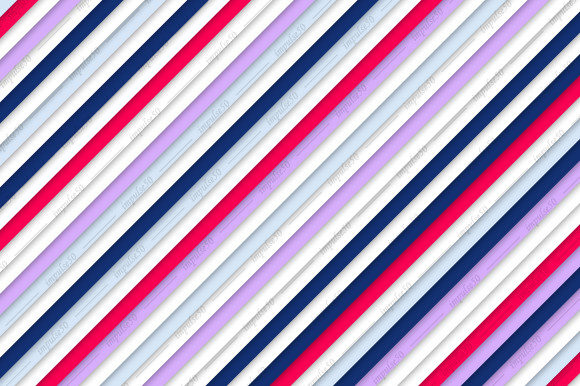
The Abstract Stripe Line Design 3D Pattern is a contemporary graphic element that blends minimalism with dynamic visual appeal. This design typically consists of stylized, non-representational lines arranged in a rhythmic or geometric pattern, enhanced by the illusion of depth to create a three-dimensional effect. It serves as an ideal background for various creative applications such as advertisements, posters, templates, and presentations due to its flexibility and aesthetic quality.
What Makes Abstract Stripe Line Design 3D Pattern Unique?
Unlike traditional stripe designs that follow a rigid structure, the abstract stripe line design introduces artistic variation through irregular spacing, angles, and layering. The 3D aspect adds another dimension of interest by using shading, perspective, or layered strokes to simulate volume and space. These characteristics make it visually engaging while maintaining a sense of balance and modernity.
Created entirely in pure vector format, this design allows for high scalability without loss of quality. Users can easily modify the size, shape, and color palette to suit their specific project needs. With a resolution of 300 dpi, the artwork ensures crisp and clear output whether used digitally or printed professionally.
Applications and Use Cases
The Abstract Stripe Line Design 3D Pattern is particularly well-suited for projects requiring a modern yet subtle backdrop. Here are some common use cases:
- Advertising: Used in digital banners, social media ads, and print promotions to add visual interest without overshadowing key messaging.
- Posters: Ideal for event posters, exhibition materials, or educational flyers where a clean and artistic layout is desired.
- Templates: Perfect for website headers, brochure layouts, or PowerPoint slides that benefit from a professional and eye-catching base design.
- Presentation Backgrounds: Offers a modern alternative to plain white or flat-color slides, helping to maintain viewer engagement during long talks or reports.
Because of its adaptability, this design is favored by graphic designers, marketing teams, and educators who need consistent visual elements across multiple platforms and formats.
Strengths
- High Customization: As a vector-based file (EPS10), users have full control over color, scale, and form, making it easy to tailor the design to match brand aesthetics or thematic requirements.
- Clean and Modern Aesthetic: The abstract nature of the stripes provides a sophisticated look that works well in both minimalist and bold design styles.
- No Watermark: The purchased version comes free of any restrictive watermarks, ensuring professional results suitable for commercial use.
- Multi-Format Availability: Comes with ZIP files containing both EPS10 and JPEG versions, supporting a wide range of design software and output types.
Tradeoffs and Limitations
While the Abstract Stripe Line Design 3D Pattern is highly versatile, it may not be the best fit for every situation. For example:
- Overlapping Content: When using this design as a background, care must be taken to ensure text or images placed on top remain legible and do not get lost within the pattern.
- Design Software Compatibility: Though EPS10 is widely supported, beginners unfamiliar with vector editing tools like Adobe Illustrator might find it challenging to modify the design effectively.
- Not Suitable for All Themes: The abstract and geometric style may clash with more organic or hand-drawn themes, limiting its applicability in certain design contexts.
Comparisons with Similar Design Options
When choosing between the Abstract Stripe Line Design 3D Pattern and other similar design elements, consider the following comparisons:
Flat Vector Patterns vs. 3D Abstract Stripes
Flat vector patterns are simpler and often consist of repeating shapes or colors. They are excellent for projects that prioritize clarity and speed but lack the dimensional feel of a 3D pattern. In contrast, the Abstract Stripe Line Design 3D Pattern offers a more immersive visual experience, making it better suited for high-end marketing materials or modern UI/UX designs.
Photographic Textures vs. Abstract 3D Stripes
Photographic textures bring realism to a design but can be harder to customize and integrate into different color schemes. The Abstract Stripe Line Design 3D Pattern, being vector-based, allows for seamless adjustments and maintains consistency across all project variations. It also avoids the copyright issues sometimes associated with real-world imagery.
Geometric Grids vs. Abstract Striped Artwork
Geometric grids are precise and structured, often used in technical illustrations or architectural renderings. While they offer order and symmetry, they can appear too rigid for creative projects. The Abstract Stripe Line Design 3D Pattern balances structure with fluidity, offering a more artistic approach without sacrificing professionalism.
Best-Fit Situations
This design shines in the following scenarios:
- Modern Branding Materials: Its sleek appearance complements logos and branding elements that aim for a cutting-edge look.
- UI/UX Design: Adds subtle texture to app interfaces, websites, or infographics without interfering with usability.
- Event Marketing: Provides a stylish background for promotional materials such as invitations, banners, or stage backdrops.
- Print Media: Whether for brochures, business cards, or packaging, the high-resolution format ensures sharp and vibrant printing.
Decision Factors for Choosing This Design
When evaluating if the Abstract Stripe Line Design 3D Pattern is the right choice, consider these factors:
- Project Style: Does your design lean towards modern, abstract, or tech-inspired visuals? If yes, this pattern aligns well with those preferences.
- Customization Needs: Do you require a background that can be adapted to multiple color schemes or resolutions? The vector format makes this possible.
- Software Proficiency: Can your team or workflow handle vector graphics editing? If not, a raster-based option might be more practical despite its limitations.
- Commercial Use Requirements: Since it’s available without a watermark, it meets the needs of professionals working on client-facing or revenue-generating projects.
Realistic Examples of Use
Here are a few realistic examples of how the Abstract Stripe Line Design 3D Pattern can be applied:
- A startup launching a new app uses the pattern as a subtle background for its landing page, enhancing the site's futuristic vibe without distracting from the content.
- A university creates promotional posters for an art exhibition using the design as a textured backdrop, allowing the featured artists’ work to stand out against the abstract lines.
- A freelance designer modifies the color scheme of the pattern to match a client’s logo and uses it in a series of social media ads, achieving a cohesive brand identity across platforms.
Alternatives to Consider
If the Abstract Stripe Line Design 3D Pattern doesn’t meet your needs, here are some alternatives worth exploring:
- Minimalist Solid Color Backgrounds: Best for simple, readable layouts where visual noise must be minimized.
- Hand-Drawn Sketch Patterns: Ideal for creative or artisanal projects that benefit from a personal, tactile feel.
- Gradient-Based Designs: Offer smooth transitions and can provide a similar level of sophistication with less complexity.
- Subtle Noise or Dot Patterns: Good for adding texture without overwhelming the viewer or competing with foreground content.
Conclusion: Making an Informed Choice
The Abstract Stripe Line Design 3D Pattern is a powerful tool in the designer’s arsenal, especially when looking to elevate the visual tone of a project while retaining flexibility. Its combination of abstract artistry and 3D depth makes it stand out from standard backgrounds, and the vector format ensures it remains usable across a variety of mediums and scales.
However, it’s important to assess your project’s goals before finalizing a decision. For instance, if readability is paramount and you’re targeting a conservative audience, a flatter or more subdued pattern may serve better. On the other hand, if your objective is to create a modern, impactful visual presence, this design could be exactly what you need.
Ultimately, the Abstract Stripe Line Design 3D Pattern offers a compelling mix of creativity and functionality. By understanding its strengths and limitations, you can determine whether it fits your current design needs or if another option would yield better results.