Bluefish 3D Lowpolygon Design for Creative Projects
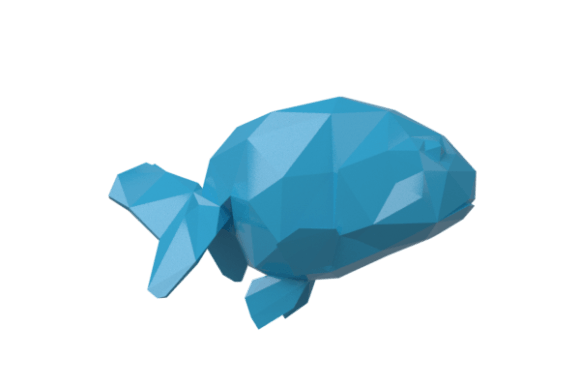
When it comes to 3D modeling, finding the perfect balance between detail and performance is essential. The Bluefish 3D Lowpolygon Design offers a compelling solution for creators who want to add realism and depth to their projects without compromising on efficiency. This model, created using advanced molding techniques and rendered into a .png file, features a low-polygon structure that’s optimized for speed while maintaining high-quality textures.
What Makes Bluefish 3D Lowpolygon Unique?
The Bluefish 3D Lowpolygon Design stands out due to its thoughtful approach to geometry and texture mapping. With a resolution of 2500 x 2500 pixels, the textures provide crisp detail even when scaled down. The model was crafted in Blender and exported into multiple formats, making it accessible for a wide range of software and platforms. Its simplicity allows for quick rendering times, which is especially beneficial for game developers, animators, or anyone working under tight deadlines.
Textures are delivered in .png format, ensuring compatibility with most design tools. Whether you're using Unity, Unreal Engine, or Adobe applications, the Bluefish model integrates smoothly and enhances your visual storytelling with minimal effort.
Why Choose Lowpolygon Models Like Bluefish?
Lowpolygon models are ideal for digital environments where performance matters. High-poly models can be visually stunning but often come at the cost of slower load times and higher system requirements. The Bluefish model uses fewer polygons to represent the same form and detail, allowing it to run efficiently on mobile devices, web platforms, and gaming consoles alike.
- Speed: Optimized for real-time rendering and fast loading.
- Compatibility: Works across various 3D software and engines.
- Detail: Maintains high-resolution textures despite reduced polygon count.
- Flexibility: Easy to modify, retexture, or scale for different needs.
Applications Across Industries
From indie game development to commercial advertising, the Bluefish 3D Lowpolygon Design can be adapted to suit a variety of creative fields. Here are some ways professionals use such models:
Game Development
Indie developers often work with limited resources. The Bluefish model is an excellent asset for creating realistic marine environments without overloading systems. You can place it in underwater scenes, fishing games, or even as part of a larger ecosystem in open-world adventures. Its lowpoly nature ensures smooth gameplay, while the detailed textures bring life to every scale and fin.
Pro Tip: Pair the Bluefish model with other low-poly sea creatures or terrain assets to maintain consistency and performance in your scene.
Advertising and Commercials
Marketers looking to create engaging video content can benefit from using Bluefish 3D models in product demos, lifestyle ads, or brand storytelling. Imagine showcasing a new line of diving gear by placing a stylized Bluefish in the background — it adds context and visual appeal without distracting from the main message.
Thanks to Keyshot renderings, preview images of the Bluefish model are already photorealistic. This means less time spent tweaking lighting and materials before production, saving both money and effort.
Interior and Exterior Design
Architects and designers sometimes need to visualize aquatic-themed spaces like aquariums, ocean-view hotels, or themed restaurants. A well-crafted Bluefish model can serve as a focal point or ambient element, helping clients imagine how the space will look once completed.
Use it in VR walkthroughs or 360° panoramas to offer immersive experiences that highlight the beauty of marine life within built environments.
Creative Possibilities and Project Ideas
While the Bluefish model is already impressive, its versatility invites further customization. Here are a few ideas to spark inspiration:
Custom Textures and Colors
With the provided .png texture files, you can easily repaint the Bluefish to match your project's color scheme. Want a neon-blue version for a futuristic sci-fi game? Or a more subdued tone for a documentary-style animation? The base model supports all these variations with ease.
Tip: Use layer masks and blending modes in Photoshop or GIMP to experiment with different looks before applying them to the 3D model.
Animated Storytelling
Bring the Bluefish to life with simple animations. Whether it's swimming through coral reefs or reacting to environmental changes, the model provides a solid foundation for motion design. Use Blender’s animation tools to create subtle movements that enhance the narrative without overwhelming the viewer.
Consider adding particle effects or water ripples around the fish to simulate interaction with its surroundings. These small touches can significantly improve the sense of realism and immersion.
Augmented Reality Experiences
AR apps and interactive displays are growing in popularity. The Bluefish model could appear in educational AR apps about marine biology, or in marketing campaigns where users “discover” virtual fish in their own homes or offices. Its manageable size and quality make it ideal for real-time rendering on mobile devices.
To adapt it for AR, export the model in GLB or FBX format and test it in AR-ready platforms like Unity with AR Foundation or Spark AR for Instagram filters.
Educational Content
Teachers and educators can incorporate the Bluefish model into lessons on marine ecosystems, anatomy, or even art and design principles. It serves as a visual aid that students can rotate, zoom, and dissect (literally) in 3D modeling software to understand how polygonal structures mimic real-life forms.
Freelancers offering tutoring or online courses might also use the model to demonstrate UV unwrapping, texturing, or animation techniques in Blender. It’s a great example for beginners due to its clean structure and manageable complexity.
Adapting the Model for Different Goals and Audiences
The way you use the Bluefish 3D model depends heavily on your target audience and platform. For instance, if you’re designing for children, you may want to simplify the colors and add playful elements. If your goal is to create a realistic simulation for a scientific study, then focus on accurate proportions and natural movement.
Here are some practical adaptations based on user type:
- Designers: Use the model as a decorative element in posters, banners, or website headers. Adjust the lighting and angle to fit your composition.
- Bloggers: Embed a still image of the Bluefish in blog posts about ocean conservation, design trends, or 3D modeling tutorials. Pair it with informative captions or infographics.
- Entrepreneurs: Integrate the model into product packaging or promotional materials for eco-friendly or nautical-themed brands. It conveys a sense of authenticity and connection to nature.
- Small Business Owners: Add the Bluefish to social media visuals or explainer videos for businesses related to travel, wellness, or sustainability.
- Freelancers and Publishers: Offer the model as part of a 3D asset bundle or sell it as a standalone item on marketplaces like TurboSquid or Sketchfab.
Ensuring Clarity and Consistency in Your Work
One of the biggest challenges in using 3D models is keeping your project organized and consistent. Here are a few best practices to follow when incorporating the Bluefish model:
- Scale Appropriately: Make sure the model fits naturally within your scene. Too large or too small, and it can break immersion.
- Maintain Style Harmony: If your project has a stylized look (e.g., cartoonish or cyberpunk), adjust the Bluefish model accordingly to avoid clashing aesthetics.
- Optimize File Sizes: Reduce the resolution in Blender or external tools if needed, especially for web or mobile use. Always keep a high-res version for print or professional use.
- Keep Textures Clean: Avoid overcomplicating the texture map. Stick to the original design unless you have a specific reason to change it.
- Document Your Process: Keep notes on how you modified the model so you or others can reproduce or tweak it later without confusion.
Getting Started with Bluefish 3D
If you're new to using 3D models in your projects, here’s a straightforward way to begin:
- Download the Bluefish model along with its .png textures and Blender file.
- Open the model in Blender and review its structure. Check for any unnecessary geometry that could be simplified further.
- Apply the texture maps and test the model in different lighting conditions. Use Keyshot if available to get instant renders.
- Export the model in the required format for your project — whether it's for a game engine, animation software, or graphic design tool.
- Place the Bluefish in your scene and start experimenting with its position, scale, and environment.
This process gives you full control over the final output while ensuring the model remains efficient and visually appealing.
Real-World Inspiration and Examples
Looking for real-life examples of how the Bluefish model can shine? Consider these scenarios:
- A marine biologist uses it in a presentation to illustrate predator-prey relationships in coastal ecosystems.
- An indie game developer places it in a puzzle game set in an underwater cave, using it as a key collectible item.
- A graphic designer incorporates it into a poster for an ocean conservation campaign, highlighting endangered species in a stylized manner.
- A YouTube creator includes the model in a time-lapse video showing the entire process of 3D modeling and rendering.
Each of these examples shows how a single model can be interpreted differently depending on the medium and message.
Final Thoughts on Using Bluefish 3D
The Bluefish 3D Lowpolygon Design is more than just a model — it’s a versatile asset that bridges the gap between artistic vision and technical feasibility. By combining clean geometry with rich textures, it empowers creators to build immersive worlds and compelling narratives without getting bogged down by complex workflows.
Whether you're designing for games, education, marketing, or personal projects, the Bluefish model adapts well to your needs. Let your creativity guide you, and remember to keep your approach grounded in what works best for your audience and platform. With the right mindset and tools, this model can become a valuable part of your creative toolkit.