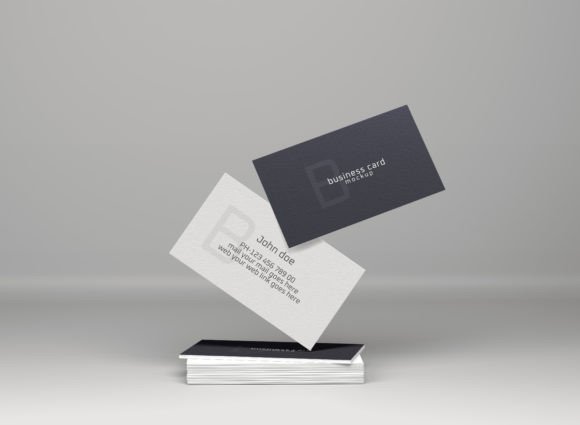
Business Card Mockup 3D Rendering Design: A Smart Way to Elevate Your Brand Presentation
In today’s competitive business landscape, first impressions matter more than ever. One of the most effective ways to create a lasting impression is through a well-designed business card. But how do you ensure your design truly stands out? This is where Business Card Mockup 3D Rendering Design comes into play. These digital mockups offer a realistic and professional way to showcase your brand identity, helping you present your business with confidence and clarity.
Understanding Business Card Mockup 3D Rendering Design
A business card mockup in 3D rendering design is essentially a high-quality visual template that simulates how your actual business card will look in real life. Unlike basic flat images or low-resolution samples, these mockups use advanced techniques to add depth, lighting, shadows, and textures—making them appear three-dimensional and lifelike.
Such mockups are particularly popular among entrepreneurs, freelancers, marketing professionals, and creative agencies who want to present their branding in a visually compelling manner. Whether you're designing for a new startup, a personal blog, or a corporate event, using a 3D rendering mockup can significantly enhance the perceived value of your brand.
Why Invest in 3D Business Card Mockups?
- Professionalism: High-quality mockups reflect a polished image, which can be crucial when pitching to clients or partners.
- Customization: Most modern 3D mockups come with smart objects and organized layers, allowing you to tweak colors, fonts, and images without needing advanced design skills.
- Versatility: These mockups work well across various platforms, from social media presentations to portfolio websites and print-ready materials.
- Time Efficiency: With ready-made templates, you can avoid the hassle of building complex 3D environments from scratch, saving valuable time during the design process.
Common Mistakes When Using Business Card Mockup 3D Rendering Design
While 3D business card mockups are powerful tools, many users make avoidable mistakes that undermine their effectiveness. Here are some common pitfalls and how to steer clear of them:
Mistake #1: Ignoring Layer Organization
One of the biggest oversights when downloading a mockup is not paying attention to its layer structure. A good Business Card Mockup 3D Rendering Design should have clearly separated name-layers and smart objects so you can edit different elements independently.
If the layers are poorly named or grouped haphazardly, it becomes difficult to adjust specific parts of the design, leading to unnecessary frustration and wasted time. Always check the organization before finalizing your edits.
Better Approach:
Look for mockups labeled as "well-organized" or "separated layers." In Adobe Photoshop, this means each part of the card (text, background, logo) is on its own layer. You can then easily modify colors, fonts, or positions without affecting other components.
Mistake #2: Overlooking Lighting and Shadow Adjustments
Many designers assume that once they place their card in the 3D scene, it's done. However, lighting and shadow settings can dramatically impact the realism and aesthetics of the final presentation. If these elements aren’t adjusted properly, your design might look flat or unconvincing.
For example, if you’re showcasing a glossy finish card but the lighting appears dull, the effect may not match your expectations. The same applies to matte finishes under harsh light conditions.
Better Approach:
Use mockups that allow you to adjust lights and shadows within the Photoshop file. This gives you the flexibility to simulate different environments—whether it's a soft office light or a bright outdoor setting—ensuring your design looks its best in any context.
What to Check Before Choosing a Mockup
To maximize the value of your Business Card Mockup 3D Rendering Design, there are several key factors you should consider before making a purchase or download:
- Software Compatibility: Ensure the mockup is compatible with Adobe Photoshop. While some files may also work with other software, Photoshop provides the most robust editing features.
- Resolution: A high-resolution mockup like 4000×3000 pixels ensures sharpness and detail, especially when printed or displayed online at larger sizes.
- Color Mode: Confirm that the file uses RGB color mode. This is essential for digital displays, as CMYK is typically reserved for print work.
- Editable Elements: Look for fully editable text and images. Some mockups only allow limited customization, which can restrict your creative freedom.
- Preview vs. Final Product: Remember that the sample images included in the preview are just for demonstration. They are not part of the downloadable file, so focus on the structure and quality of the template itself.
Realistic Examples of Effective Use
Let’s take an example of a freelance graphic designer preparing a portfolio. By using a 3D business card mockup, they can show potential clients how their card would look in real-world scenarios—like being placed on a desk next to a laptop or held by hand in natural light. This adds a level of professionalism and helps convey a strong brand message.
Another scenario involves a small business owner launching a new product line. They can customize the mockup to feature their new logo and color scheme, then share the image on Instagram or LinkedIn. The realistic 3D effect grabs attention better than a standard flat image, increasing engagement and trust in their brand.
How Customization Enhances Usability
The beauty of a fully editable Business Card Mockup 3D Rendering Design lies in its adaptability. You're not just buying a static image; you're getting a tool that allows you to experiment with different layouts, colors, and backgrounds until you find the perfect combination.
Here’s a practical tip: start by changing the background to see how your card interacts with different environments. Then, tweak the lighting to highlight your brand colors effectively. Finally, adjust the shadows to give the card a sense of depth and realism. Each step brings your design closer to perfection.
Choosing the Right Mockup for Your Needs
When selecting a 3D business card mockup, consider your intended use. Are you looking to impress investors in a meeting? Or do you need something catchy for your website banner? The answer will guide your choice of style, lighting, and overall aesthetic.
For instance, if you're targeting a tech-savvy audience, a sleek and minimalist mockup with metallic textures and cool tones might be ideal. On the other hand, if you're in the hospitality industry, warm lighting and organic textures could better align with your brand identity.
Also, don't overlook the importance of file size. Large resolution mockups are great for print, but if you're planning to use them online, consider resizing or optimizing the image to maintain fast loading times.
Conclusion
Business Card Mockup 3D Rendering Design is more than just a visual enhancement—it's a strategic asset in building a strong brand presence. When used correctly, these mockups can transform how your business is perceived, making your designs stand out in both digital and physical formats.
By avoiding common mistakes such as poor layer management or ignoring lighting effects, and by taking the time to choose a mockup that fits your goals, you’ll be able to create a stunning and impactful business card presentation. So whether you're a beginner learning the ropes of design or a seasoned pro looking to streamline your workflow, investing in a well-crafted 3D mockup is a decision you won’t regret.
As always, remember to evaluate the mockup thoroughly before purchasing. Focus on usability, customization options, and compatibility to ensure it meets your needs. Happy designing! 🎨