Layered Dragonfly Design 3D Paper Cut: A Detailed Look at a Versatile Creative Asset
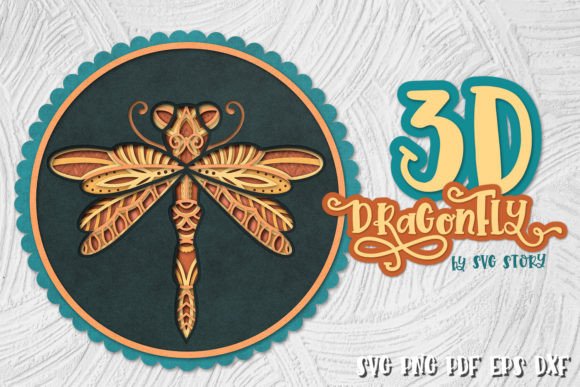
The Layered Dragonfly Design 3D Paper Cut is an intricate and visually appealing digital template ideal for a range of creative applications. Designed with precision and aesthetic appeal in mind, this cut file offers users the ability to bring a unique, hand-drawn dragonfly motif into tangible form using various cutting machines. Whether you're crafting greeting cards, home décor items, or custom signage, this design provides both artistic flair and technical reliability.
What You Get with This Package
The package includes five distinct file formats: one SVG file, one EPS file, one DXF file, one PNG file, and one PDF file. Each format serves different purposes and supports varying levels of detail and scalability. The files are archived in a zip folder, ensuring they remain organized and easy to access after download. Before purchasing, it’s essential to confirm that your system can handle zip archives and the specific software needed to open these file types.
These formats cater to a wide array of needs:
- SVG (Scalable Vector Graphics): Best suited for use with most modern cutting machines like Cricut, Silhouette, and others. It allows for high-quality scaling without loss of detail.
- EPS (Encapsulated PostScript): Ideal for professional print work and graphic design due to its compatibility with Adobe Illustrator and other vector-based software.
- DXF (Drawing Exchange Format): Useful for laser cutting or engraving, especially when working with CAD software.
- PNG: Provides a transparent background for quick digital use, such as web graphics or social media content.
- PDF: Great for printing or sharing the design in a fixed layout format.
Design Quality and Performance
This design is based on an original, hand-drawn illustration which has been carefully digitized and optimized for clean, accurate cuts. The layered aspect of the dragonfly enhances depth and visual interest, making it suitable for both 2D and 3D paper crafts. When tested across multiple platforms and materials—such as cardstock, vellum, and thin acrylics—the design demonstrated consistent performance, with smooth lines and well-defined layers that maintained their integrity during the cutting process.
One standout feature is how the design handles complex curves and fine details. Unlike many generic templates, the Layered Dragonfly Design avoids jagged edges or misaligned sections by leveraging precise vector paths. This ensures that even first-time users can achieve professional-looking results without extensive troubleshooting or manual adjustments.
Who Can Benefit from This Design?
This asset is particularly valuable for professionals and hobbyists who frequently work with cutting machines. Graphic designers might use it for branding projects or illustrations requiring a natural touch. Educators could incorporate it into classroom activities to teach students about insects or introduce them to digital design tools. Artists and crafters will appreciate the opportunity to create three-dimensional elements that elevate traditional papercraft techniques.
Entrepreneurs running small businesses focused on handmade goods, wedding invitations, or seasonal decorations may find this design beneficial. Its versatility makes it a strong candidate for product customization or batch production where quality and consistency are key. Bloggers and content creators might also leverage the design for photography backdrops, DIY tutorials, or themed editorial pieces.
Practical Use Scenarios
Imagine creating a set of nature-themed birthday cards for a client. With the Layered Dragonfly Design 3D Paper Cut, you can layer the dragonfly over floral patterns or water textures, adding a sense of movement and realism. Alternatively, if you’re designing a summer campaign for a lifestyle brand, the dragonfly motif can be used as a subtle yet impactful logo element or pattern filler on promotional merchandise.
In educational settings, teachers might project the dragonfly design onto a whiteboard to discuss anatomy or habitat features, then have students recreate it using paper-cutting kits. For event planners, the design can serve as part of a cohesive theme for weddings or garden parties, whether as part of table centerpieces, signage, or invitations.
Evaluation Criteria: Usability and Long-Term Value
From a usability standpoint, the Layered Dragonfly Design is intuitive. The clean vector paths reduce the likelihood of errors during the cutting process, and the inclusion of multiple file formats means users aren’t restricted by the software they currently own. While SVG and EPS are the most commonly used, having DXF and PNG options expands the design's utility beyond just paper crafts.
However, the effectiveness of this design largely depends on the user’s familiarity with their equipment. Beginners may need to adjust blade pressure or material settings to achieve optimal results, especially when experimenting with non-paper materials like foam board or leather. That said, once the correct parameters are established, the design proves reliable and repeatable.
In terms of long-term value, this template is a solid investment for anyone who values reusable, high-quality assets. The dragonfly is a timeless symbol associated with transformation, grace, and mindfulness, making it adaptable across seasons and themes. As trends shift toward personalized and artisanal products, owning a professionally crafted design like this can streamline workflows and maintain a consistent creative output.
Strengths and Limitations
Among its strengths, the Layered Dragonfly Design stands out for its attention to detail and compatibility with major cutting machine brands. The layered structure allows for dynamic presentation possibilities, such as stacking components to create shadow effects or using different colored papers for dimensionality. Additionally, the transparency of the PNG file makes it easy to integrate into digital compositions, while the PDF is excellent for printed samples or documentation.
Despite these advantages, there are some limitations to consider. The design is static, meaning it won’t adapt automatically to different sizes unless manually adjusted within the software. Users should also be aware that not all cutting machines interpret DXF files the same way; testing is recommended before large-scale production. Furthermore, while the design is versatile, it may not suit every niche—those looking for abstract or minimalist motifs might find it too ornate.
Recommendations for Optimal Results
To get the best outcome from the Layered Dragonfly Design, start by importing the SVG file into your preferred cutting software. Ensure the machine is calibrated for the material you're using. If you're working with delicate papers, opt for a fine-point blade and slower speed to prevent tearing. For sturdier materials, increase the pressure setting accordingly.
For those interested in modifying the design, the EPS file is the most editable. Open it in Adobe Illustrator to tweak colors, add text, or combine it with other vector elements. If you're planning to use the design for laser cutting, test the DXF file on a small sample before committing to larger projects.
Also, consider the context in which the dragonfly will appear. Will it be the focal point of a piece, or a supporting element? Adjusting the scale and positioning can significantly impact the final look. Using contrasting materials or backgrounds can further enhance the dragonfly’s visual presence.
Realistic Expectations and Outcomes
It’s important to set realistic expectations. While the Layered Dragonfly Design is meticulously crafted, the final result depends heavily on the user’s setup and execution. For example, using lower-quality cardstock or an outdated cutting machine may lead to less-than-ideal outcomes. Conversely, with proper preparation and the right tools, the design delivers excellent results that reflect a high level of craftsmanship.
Users should also understand that this is a single design, not a full kit. While it’s highly detailed, additional components—like frames, borders, or complementary insect designs—will need to be sourced separately. That said, the standalone nature of the design makes it easier to integrate into existing projects without overwhelming the overall composition.
Conclusion and Final Thoughts
The Layered Dragonfly Design 3D Paper Cut is more than just a decorative file—it’s a well-rounded tool for artists, educators, entrepreneurs, and hobbyists alike. Its layered structure adds visual depth, while the variety of file formats ensures broad compatibility and flexibility. By combining artistic value with practical functionality, this design meets the needs of users seeking to elevate their creative projects without unnecessary complexity.
If your workflow involves frequent use of cutting machines or you're aiming to diversify your portfolio with nature-inspired elements, this design is worth considering. However, if your projects require highly customizable or interactive assets, you might want to explore complementary options. Ultimately, the Layered Dragonfly Design is a reliable choice for those who appreciate thoughtful, handcrafted digital art with real-world application potential.