SRS 3D Logo Design: A Comprehensive Evaluation for Businesses and Designers
Creating a strong brand identity is essential in today’s competitive market, and one of the most powerful tools for this is a well-crafted logo. The SRS 3D Logo Design service offers a specialized approach to logo creation by incorporating three-dimensional elements that bring logos to life with depth, realism, and visual impact. This article explores what SRS 3D Logo Design entails, its benefits, potential drawbacks, and how it can be used effectively depending on your specific needs.
What Is SRS 3D Logo Design?
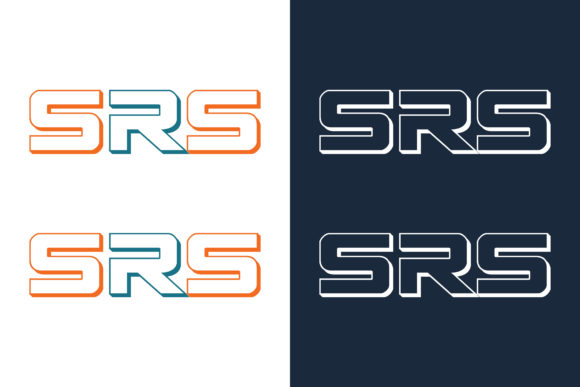
SRS 3D Logo Design refers to the process of designing logos using three-dimensional modeling techniques. Unlike traditional 2D logos, these designs add dimensionality through shadows, lighting, textures, and perspective, making them visually engaging and versatile for various applications. The output typically includes multiple file formats such as JPG files, EPS CC version, and High-Resolution images, ensuring compatibility across different platforms and print materials.
Why Consider SRS 3D Logo Design?
Businesses and designers often turn to 3D logo design when they want their brand to stand out. A 3D logo can create a more memorable impression due to its dynamic and lifelike appearance. It also allows for greater flexibility in branding materials—whether for digital use, signage, packaging, or promotional items. If you're looking to modernize your brand or enter industries where visual appeal is key (such as entertainment, gaming, or luxury goods), a 3D logo may offer significant advantages.
Benefits of SRS 3D Logo Design
- Enhanced Visual Appeal: Three-dimensional logos tend to capture attention better than flat designs. They can evoke a sense of professionalism and innovation.
- Greater Brand Recognition: Unique shapes and perspectives help logos remain distinct in crowded markets, improving recall and recognition.
- Adaptability Across Media: With included formats like JPG, EPS CC, and high-resolution options, the logo works seamlessly on both digital and physical mediums.
- Modern and Professional Look: 3D design aligns with contemporary trends in branding and marketing, appealing to tech-savvy audiences.
Potential Tradeoffs and Considerations
While there are clear advantages to SRS 3D Logo Design, it's important to weigh these against potential challenges:
- Complexity and Cost: 3D logo creation is generally more time-consuming and expensive than standard 2D design. The added detail requires skilled artists and advanced software.
- File Size and Compatibility: High-resolution 3D assets can produce large file sizes, which may affect loading times on websites or mobile devices if not optimized properly.
- Brand Simplicity vs. Detail: Some industries benefit from minimalist logos, and adding 3D effects might compromise simplicity or clarity.
- Licensing and Usage Rights: When using pre-made 3D logo templates, ensure that the license permits commercial use and modification to avoid legal issues later.
When Is SRS 3D Logo Design a Strong Fit?
The SRS 3D Logo Design package is particularly suitable in the following scenarios:
- For Brands Focused on Innovation: Tech startups, game developers, or companies in creative fields often find 3D logos an excellent way to showcase their cutting-edge image.
- When Versatility Is Needed: If your logo will appear on products, billboards, or interactive media, a 3D format ensures consistent quality at any size or angle.
- To Stand Out in Crowded Markets: In industries where many brands use similar styles, a 3D logo can differentiate your business with a bold, unique presence.
- For Marketing Campaigns Requiring Depth: Video ads, animations, or AR/VR projects can leverage 3D logos to enhance storytelling and engagement.
When Might Alternatives Be Better?
Despite its strengths, SRS 3D Logo Design isn’t always the best choice. Here are situations where other logo types may be more appropriate:
- Minimalist or Abstract Branding: If your brand identity relies on clean, simple visuals, a 3D logo could introduce unnecessary complexity.
- Budget Constraints: Custom 3D logos require more resources. For small businesses or personal projects, a 2D design might be more cost-effective.
- Print-Heavy Use Cases: While high-resolution files are included, some printers may have limitations with rendering 3D elements accurately in certain contexts.
- Long-Term Scalability: Over time, trends shift. A heavily stylized 3D logo may become outdated faster than a timeless 2D design.
Decision-Making Insights for Choosing SRS 3D Logo Design
Before committing to a 3D logo, consider the following practical insights to make an informed decision:
- Assess Your Audience: Will your target demographic respond positively to a 3D design? Younger or more visually-oriented audiences often appreciate it more.
- Review Usage Plans: Think about where the logo will be used. If it’s primarily for web or social media, simpler formats may suffice unless you need animation or interactivity.
- Evaluate Longevity: Ask whether a 3D style aligns with your brand’s long-term vision. A design that looks trendy now might not resonate in five years.
- Test Different Formats: If you’re considering the zip file package, review the JPG and EPS versions to see how they look in black-and-white or simplified settings. A good logo should work across all variations.
- Seek Expert Feedback: Consult with a graphic designer or branding professional to understand how a 3D logo fits into your overall brand strategy.
Understanding the File Formats Included
The SRS 3D Logo Design zip file usually includes several essential formats, each serving a different purpose:
- JPG Files: These are ideal for digital use, such as website headers, banners, and social media profiles. They are compressed but maintain good quality for online visibility.
- EPS CC Version: The Encapsulated PostScript format is vector-based, making it perfect for scalability. It ensures crisp edges when resizing, especially useful for print and signage.
- High-Resolution Images: These provide maximum clarity and detail, suitable for large-format printing or close-up displays where image fidelity matters most.
Having access to these formats gives you control over how you deploy the logo, but it also means understanding the right use for each to avoid technical missteps.
Expectations When Using SRS 3D Logo Design
If you decide to proceed with SRS 3D Logo Design, managing expectations is crucial. Here’s what you can anticipate:
- Design Time: Creating a 3D logo takes longer than a 2D one. Artists must build models, apply textures, and render the final product.
- Cost Variability: Prices can vary based on the level of customization and the intricacy of the 3D elements involved.
- Technical Requirements: You’ll need appropriate software to edit the EPS CC file, such as Adobe Illustrator or compatible vector editing tools.
- Revisions May Be Limited: Depending on the provider, revisions might be capped, so it's important to communicate your preferences clearly from the start.
Alternatives Worth Considering
If SRS 3D Logo Design doesn't fully meet your needs, here are some alternatives:
- 2D Vector Logo Design: Offers scalability without the complexity of 3D. Great for businesses needing a classic, adaptable logo.
- Flat Design: A minimalist approach that focuses on usability and speed, particularly beneficial for digital-first brands.
- Animated Logos: Ideal for video content or websites, combining motion with design to engage viewers dynamically.
- Logo Templates: Pre-designed logos (often available in 2D or semi-3D) can be a budget-friendly option for entrepreneurs or small businesses.
Conclusion
In summary, SRS 3D Logo Design provides a compelling option for those seeking a modern, multidimensional brand mark. Its ability to deliver high-quality JPG files, scalable EPS CC versions, and high-resolution outputs makes it a flexible solution for diverse applications. However, the decision to use it should be guided by your industry, audience, usage plans, and budget.
For businesses aiming to project innovation and versatility, and who plan to use the logo across multiple formats, the SRS 3D Logo Design package can be a valuable investment. But for others, a more traditional 2D design might serve just as well—or even better—with fewer complexities and costs. Always take the time to evaluate your goals before choosing a design path that aligns with your brand’s future direction.