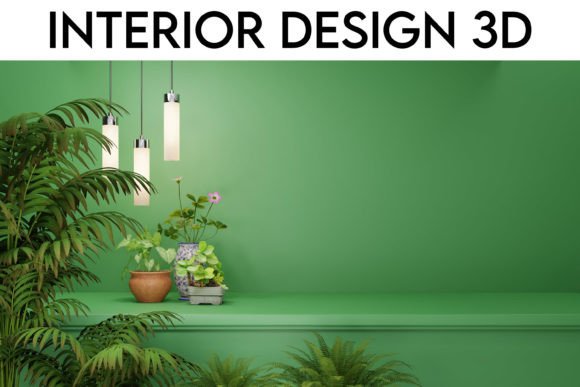
Interior Design 3D: Visualizing Spaces in Realistic Detail
Interior Design 3D is a powerful tool that transforms how we plan and present interior spaces. It uses three-dimensional modeling to create lifelike visualizations of rooms, allowing designers, homeowners, and professionals to explore ideas with clarity and precision before making any physical changes. Whether you're a seasoned architect or someone planning a simple home renovation, Interior Design 3D can be an invaluable asset.
What Makes Interior Design 3D Unique?
Unlike traditional 2D sketches or floor plans, Interior Design 3D offers depth, texture, lighting, and spatial relationships. This means you can walk through a digital space, see how furniture fits into the layout, and understand the impact of color choices from every angle. The technology relies on advanced software and rendering techniques to simulate real-world environments accurately.
One key component often included in Interior Design 3D projects is a JPEG high-resolution render. These images are photorealistic and serve as a final output for presentations, marketing materials, or client approvals. They’re typically created after fine-tuning all aspects of the design — from material selections to lighting setups — to ensure the visualization reflects the intended outcome.
For Beginners
If you're new to interior design, Interior Design 3D might seem intimidating at first, but it’s also incredibly empowering. With user-friendly tools like SketchUp or Roomstyler, beginners can start experimenting with layouts without prior experience. A JPEG high-resolution render gives them a tangible result to share with friends or family for feedback.
Practical example: A first-time homeowner wants to redesign their living room. Using an online Interior Design 3D platform, they place virtual furniture, adjust wall colors, and generate a realistic image to show their vision during a family discussion.
For Experienced Designers and Professionals
Interior Design 3D is essential for architects and interior designers who need to communicate complex ideas effectively. High-quality renders allow clients to visualize not just the aesthetics but also the functionality of a space. Professionals use these tools to streamline project planning and reduce revisions by presenting accurate models early in the design process.
Practical example: An interior designer working on a luxury condo project uses Interior Design 3D to create multiple variations of a master bedroom layout. Each variation includes different lighting options and finishes, presented via JPEG high-resolution images for client review and decision-making.
For Creators and Entrepreneurs
Creators in the design industry — such as bloggers, YouTubers, or influencers — rely on compelling visuals to engage their audience. Interior Design 3D allows them to showcase innovative ideas quickly and cost-effectively. For entrepreneurs launching a design service, offering 3D visualizations can set them apart from competitors and add significant commercial value to their portfolio.
Practical example: A lifestyle blogger wants to feature a “cozy home office” guide. By using Interior Design 3D, they generate a series of JPEG high-resolution images showing various desk setups and lighting combinations, enhancing the visual appeal and credibility of their content.
For Educators and Students
In academic settings, Interior Design 3D is used to teach principles of architecture, spatial awareness, and design theory. Students benefit from hands-on experience creating virtual spaces, which helps them understand scale, proportion, and material selection in a dynamic way. Educators appreciate the ability to provide instant visual feedback and foster creativity through digital exploration.
Practical example: A design student tasked with creating a sustainable living room concept uses Interior Design 3D to model eco-friendly materials and energy-efficient lighting. The JPEG high-resolution render becomes part of their final presentation to professors and peers.
For Small Business Owners and Marketers
Business owners looking to revamp retail spaces, offices, or hospitality environments can leverage Interior Design 3D to test out concepts before committing to costly renovations. Marketers, on the other hand, may use these visuals in promotional campaigns to highlight the ambiance and style of a brand's physical location or product offerings.
Practical example: A boutique owner considers a store layout change to improve customer flow. Using Interior Design 3D, they simulate several configurations and send JPEG high-resolution images to stakeholders for approval before construction begins.
Key Considerations When Choosing Interior Design 3D Tools
Whether you're diving into Interior Design 3D for the first time or refining your workflow, it's important to consider what matters most to you. Here’s how different priorities influence the choice and use of these tools:
- Ease of Use: Ideal for hobbyists or those with limited technical skills. Look for platforms with drag-and-drop features and intuitive interfaces.
- Cost: Some software requires subscription fees or one-time purchases. Free versions may offer basic capabilities suitable for casual use, while premium tools provide more advanced features.
- Quality and Realism: Essential for professionals aiming to impress clients. High-end tools generate JPEG high-resolution images with textures and lighting that closely mimic reality.
- Flexibility and Customization: Important for creators and freelancers who want unique, tailored designs. Advanced software supports custom assets, plugins, and detailed adjustments.
- Presentation Value: If your goal is to pitch ideas or market products, focus on tools that allow easy export of JPEG high-resolution images and animations for professional-looking deliverables.
- Speed and Reliability: For fast-paced environments like real estate or event planning, choose a solution that balances rendering speed with accuracy and stability.
How Interior Design 3D Fits Your Goals
Interior Design 3D isn’t a one-size-fits-all solution, but it can adapt to many needs. If you're looking to make informed decisions about your next renovation, this technology gives you a clear picture of how your space will look and feel. If you're in the business of selling design services or products, it adds a layer of professionalism and trust that static photos or blueprints can't match.
Here are some scenarios where Interior Design 3D could align with your personal or professional goals:
- Homeowners evaluating potential furniture or color schemes before purchasing.
- Real estate agents showcasing empty properties with virtual staging for prospective buyers.
- Architects demonstrating building interiors to clients or city planners during proposal stages.
- Freelance designers expanding their portfolio with high-quality, photorealistic work samples.
- Event planners visualizing banquet halls or party setups to coordinate with vendors and clients.
Getting Started with Interior Design 3D
If you're curious about how Interior Design 3D can support your specific needs, start by identifying your primary objective. Are you trying to save money on a home project? Improve communication with a client? Or simply enhance your creative workflow? Once you have clarity on your goals, select a tool that matches your skill level and budget.
Many platforms offer tutorials and templates to help you get started. As you become more comfortable, you can explore advanced features like lighting simulations, texture mapping, and even walkthrough animations. And when it's time to finalize your design, you’ll likely produce a JPEG high-resolution render — the ultimate snapshot of your 3D vision.
Tips for Evaluating Interior Design 3D Solutions
With so many tools available, it's crucial to evaluate each option based on your own criteria. Here are a few questions to ask yourself:
- Does the software allow me to import my own files or access a library of pre-built assets?
- Can I export JPEG high-resolution images directly, or do I need additional rendering steps?
- Is there a community or support team available if I run into issues or need guidance?
- Will the tool integrate with other platforms I already use, like CAD or photo editing software?
- Is the learning curve manageable for my current skill level and schedule?
By considering these factors, you can find a solution that enhances your productivity and creativity without overwhelming you.
When Interior Design 3D Might Not Be Right for You
While Interior Design 3D is incredibly useful, it’s not always necessary. For small cosmetic updates or simple furniture arrangements, a 2D floor plan or mood board might suffice. If your main concern is affordability and you don’t need photorealistic results, then sticking with traditional methods could still meet your needs effectively.
However, if you're aiming to innovate, impress, or explore complex spatial challenges, then Interior Design 3D is worth the investment — both in time and resources.
Final Thoughts
Interior Design 3D bridges the gap between imagination and execution, helping users visualize their ideas with stunning clarity. From home enthusiasts to commercial designers, its applications are vast and growing. A single JPEG high-resolution render can convey months of planning and creativity in seconds, making it a cornerstone of modern design workflows.
If you're unsure whether Interior Design 3D aligns with your goals, try starting with a free tool or demo version. Experimenting with a sample project can help you determine if the technology fits your needs and skillset. And if you ever have questions or need assistance, don’t hesitate to reach out. Help is just a message away, and the right guidance can lead you to an immediate solution.
Thank you for exploring the possibilities of Interior Design 3D. Let your creativity shape the future of your spaces — one render at a time.